
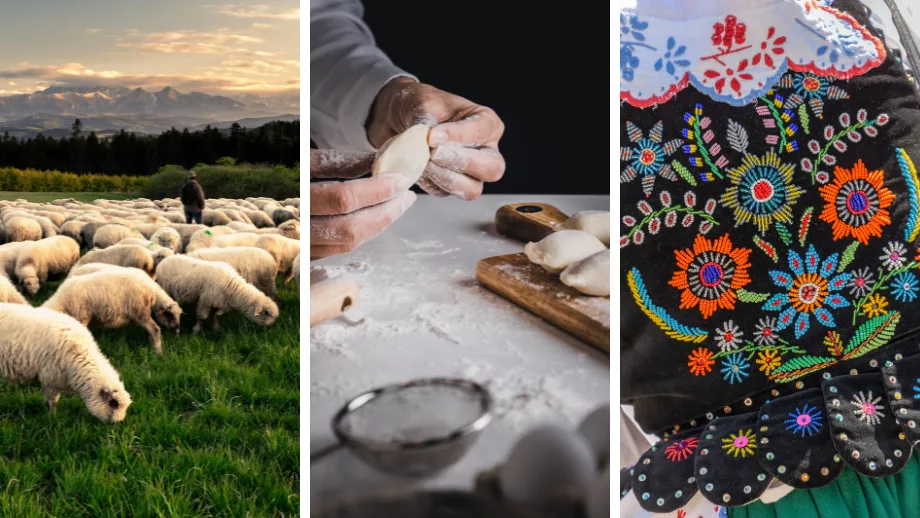
Poland is a country of contrasts, where centuries-old traditions blend seamlessly with modern lifestyles. This fascinating blend creates a rich cultural tapestry that offers visitors a truly unique experience. Poland’s deep-rooted history, vibrant contemporary life, and Polish culture are woven into every aspect of its cities, villages, and natural landscapes. 🍂
Whether you’re wandering through cobbled streets, savoring hearty traditional dishes, or taking part in vibrant local festivals, Polish culture will captivate and inspire you at every turn. Embrace its warmth, where every encounter feels like a chance to connect with the land and its people. From the welcoming smiles of locals to the rhythmic beats of folk music, you’ll find yourself immersed in a culture that values authenticity and hospitality.
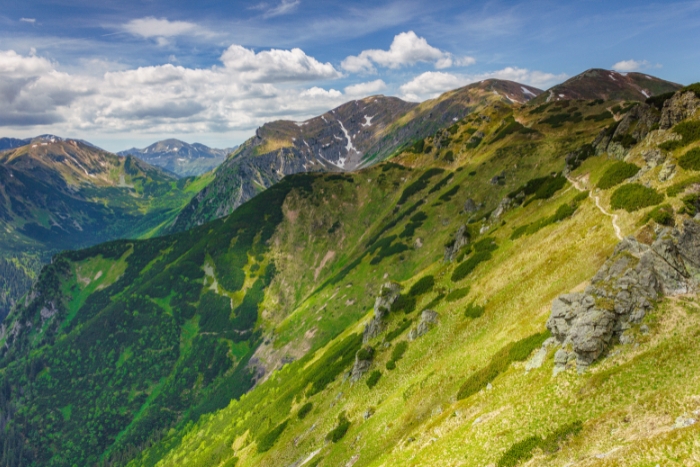
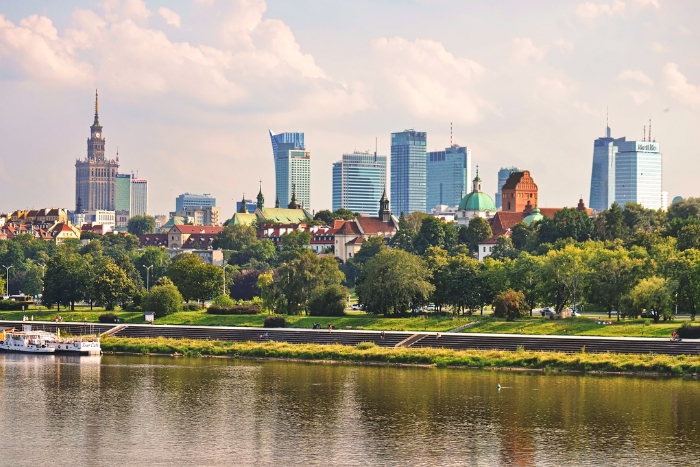
Each region of Poland offers its own distinct flavor of culture. For instance, in the dynamic cities, history comes alive through grand architecture and busy markets. Meanwhile, the quiet countryside holds on to ancient customs that have shaped everyday life for centuries. No matter where you go, Polish culture is present—whether in the folk traditions that are still practiced or in the vibrant modern art scene that’s flourishing today.
Nature and culture intertwine beautifully in Poland. It is offering visitors an opportunity to not just observe but to fully embrace the environment. Imagine celebrating traditional holidays surrounded by lush forests or by the shores of tranquil lakes. This connection to Nature makes Poland an unforgettable destination, perfect for anyone looking for a meaningful and enriching experience. 🌲
Get ready to embark on a journey that’s as enlightening as it is enjoyable. Polish culture awaits, be ready be explor and cherish it! Let’s dive into the top reasons why you should experience it firsthand.
How Can You Experience Polish Culture?

Musical and cultural events
Historic castles

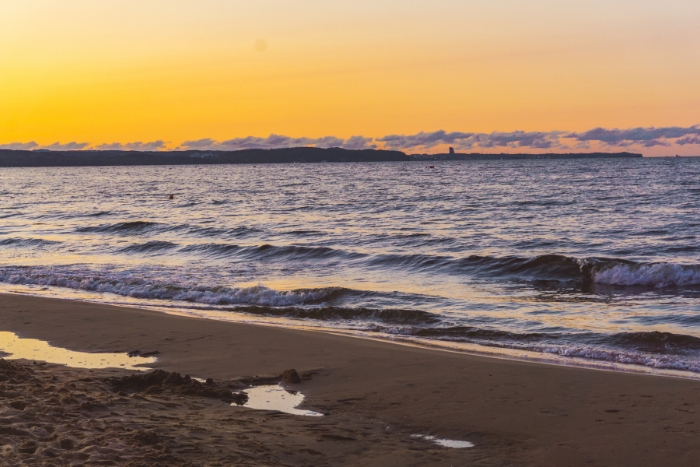
Coastal beaches

National parks

Artisan workshops

Local breweries
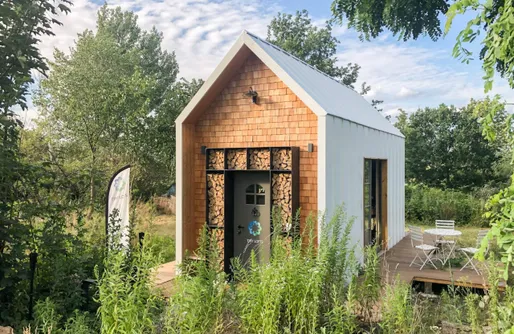
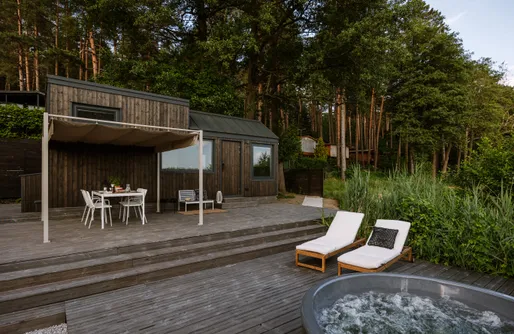
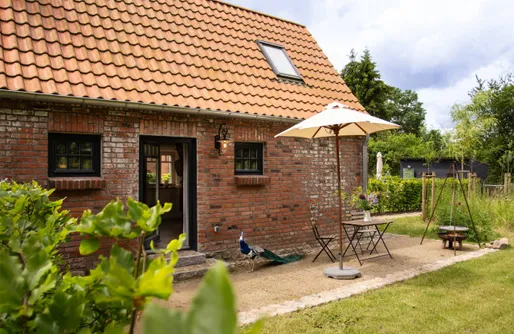
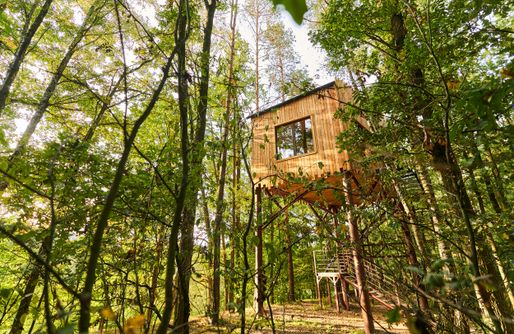
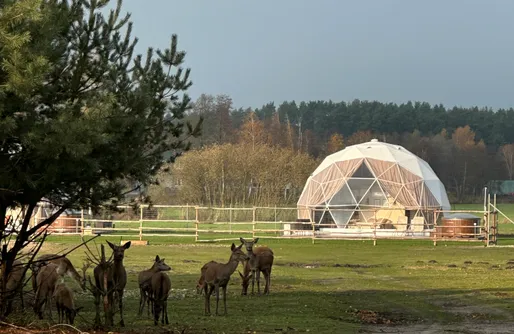
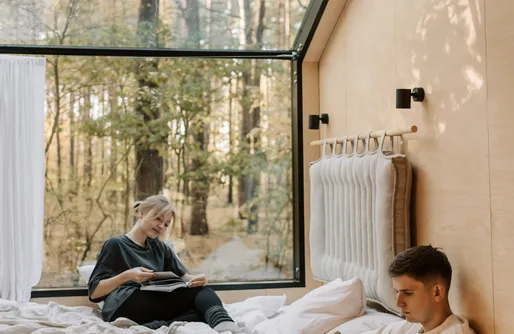
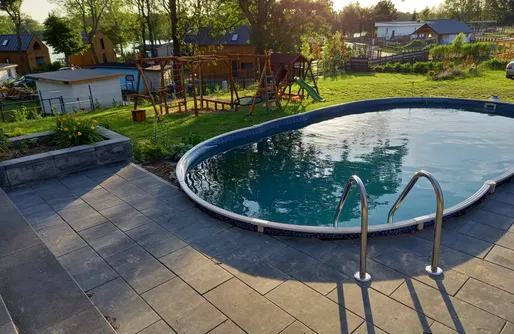
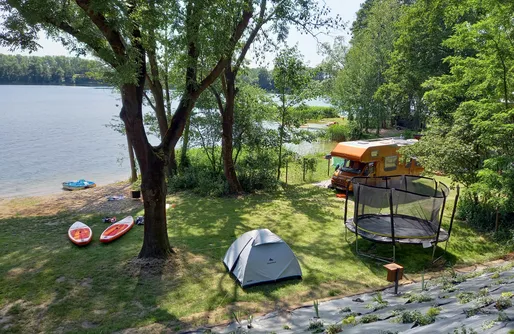
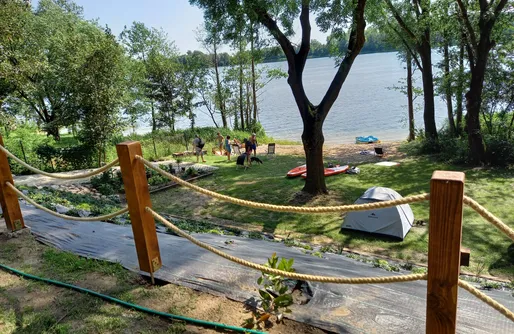
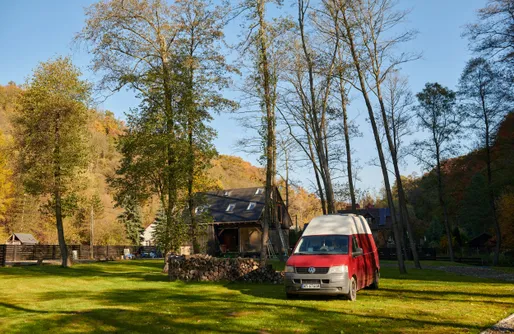
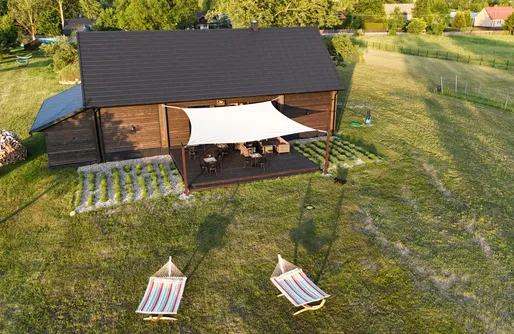
Discover Unique Housing in Poland ✨
Polish Culture: Why Is It Worth It?
- Traditional cuisine: Indulge in authentic dishes like pierogi (dumplings), bigos (hunter’s stew), and oscypek (smoked cheese). These hearty meals reflect Poland’s culinary heritage.
- Fascinating history: Explore medieval castles, WWII landmarks, and well-preserved old towns. Sites such as Wawel Castle in Kraków and the historic center of Warsaw offer a window into Poland’s storied past.
- Vibrant festivals: Celebrate like a local at events such as Wianki (Midsummer Night) and Easter traditions. These festivals feature music, dance, and traditional foods.
- Art and music: Enjoy Chopin’s melodies, traditional folk tunes, and contemporary art galleries. Poland’s rich artistic heritage is evident in its music, visual arts, and numerous museums and galleries.
- Craftsmanship: Admire handmade pottery from Bolesławiec and intricate wycinanki (paper cuts). These crafts are celebrated for their beauty and the skill involved in their creation.
- Nature-inspired traditions: Experience folk rituals tied to seasons and the natural world. 🌱 Polish traditions often reflect a deep connection to Nature.
Polish Culture – Where Should You Go?
Poland is a land of incredible diversity, where every region offers its own distinct charm, traditions, and history. Whether you admire the vibrant cultural expressions of the Highlanders in Zakopane, ⛰️ explore the maritime legacy of Gdańsk, or immerse yourself in the tranquil beauty of the Bieszczady Mountains, every traveler will find something captivating.
Immerse yourself in Poland’s past by exploring medieval castles and historic cities. Connect with its culinary heritage through hands-on workshops. This guide takes you through some of the country’s most unique experiences, highlighting Poland’s enduring cultural identity and breathtaking natural wonders.
Why should you choose Poland for your next adventure? Discover the top reasons to plan your trip to Poland.
Unwind, Naturally
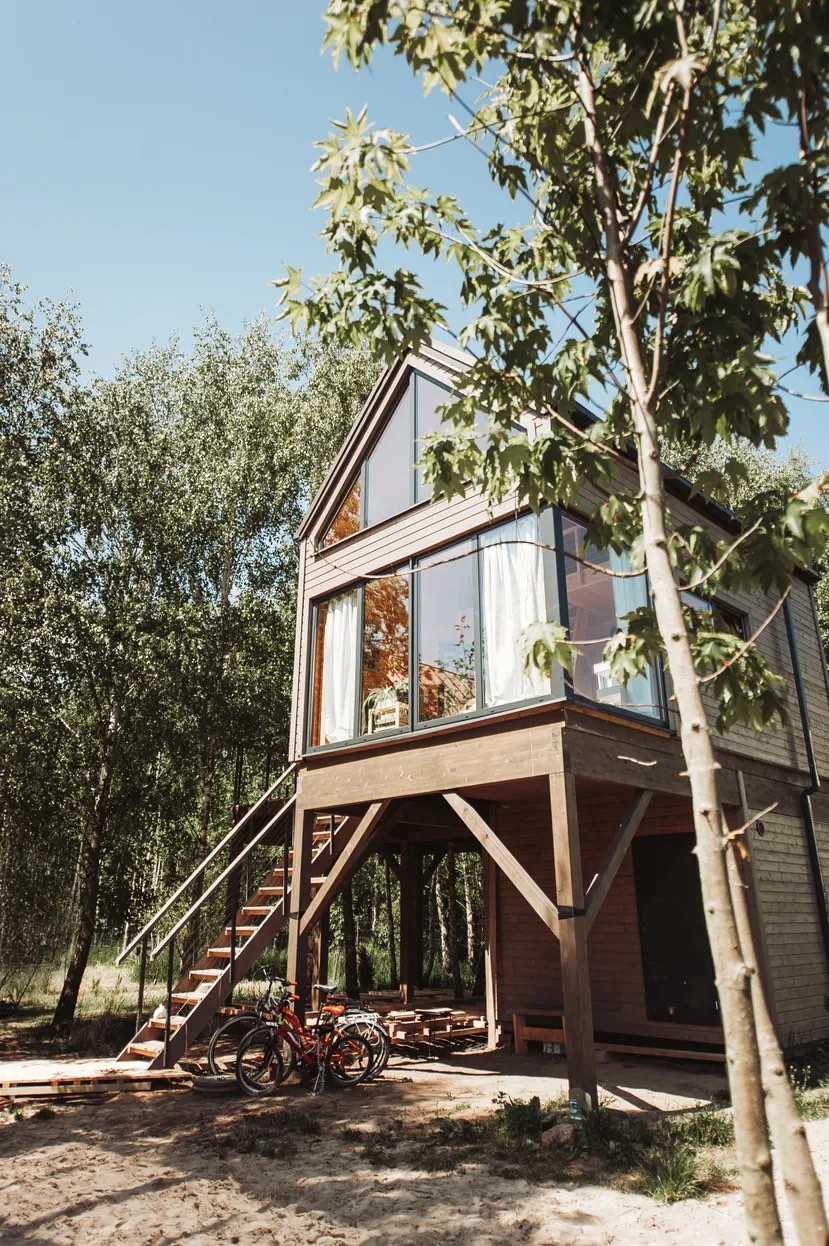
Choose from more than 4000 unique destinations surrounded by Nature.
⭐️ 4.8 - average rating for a trip with AlohaCamp
#1 Discover Zakopane’s Highlander Traditions
Start your adventure on Krupówki Street, Zakopane’s bustling main thoroughfare lined with traditional wooden houses, artisan shops, and cozy cafes. The distinctive wooden architecture of Zakopane was developed by architect Stanisław Witkiewicz in the 19th century. You can see there steep roofs, hand-carved designs, and an aesthetic inspired by the surrounding mountains. 🏔️ Many of these homes are now museums, such as Villa Koliba, where you can delve deeper into this architectural style.
Food lovers will relish the opportunity to try oscypek, Zakopane’s iconic smoked cheese. It is often paired with cranberry sauce for a delightful combination of flavors. For a heartier meal, sample local dishes like kwaśnica (sauerkraut soup), moskole (potato pancakes), and lamb roasted in traditional highlander ovens.
The evenings in Zakopane are filled with the sounds of Góralska music. Join a folk gathering where lively dances are accompanied by fiddles, bagpipes, and accordions. Skilled performers dressed in traditional highlander attire invite visitors to experience the joy and vibrancy of their culture firsthand.
#2 Get to Know Gdańsk’s Maritime History
A historic port city on the Baltic Sea, Gdańsk is a captivating destination where maritime heritage and modern culture come together. Known for its picturesque waterways and significant role in shaping Europe’s history, Gdańsk offers visitors a rich tapestry of experiences.
Start your journey along the Motława River, where vibrant merchant houses reflect in the shimmering waters. The riverside is lined with cafes and restaurants, perfect for sampling freshly caught seafood. Nearby, the towering Crane Gate, a medieval port crane from the 15th century, serves as a reminder of the city’s role in international trade during the Hanseatic League era. 🌊
Dive into Gdańsk’s history by visiting the European Solidarity Centre, a modern museum that chronicles the Solidarity movement’s pivotal role in ending communism in Eastern Europe. The center’s interactive exhibits offer a thought-provoking perspective on Poland’s journey to democracy.
What’s more, the Old Town of Gdańsk is a treasure trove of history, with landmarks such as St. Mary’s Basilica. It is one of the largest brick churches in the world, and the richly adorned Golden Gate. Be sure to visit the Gdańsk Shipyard, where the Solidarity movement was born. Take part in seasonal events like the Saint Dominic’s Fair, which has been held annually for over 750 years. It showcases local crafts, performances, and traditional Polish food.
#3 Experience Rural Life in Podlasie
Podlasie, situated in northeastern Poland, is a region where time seems to slow down. Known for its diversity, Podlasie is a melting pot of Polish, Belarusian, and Lithuanian influences, which are evident in its architecture, cuisine, and customs.
Begin your journey by exploring the region’s picturesque villages, home to Orthodox churches with vibrant onion domes. Their intricately painted frescoes stand as enduring testaments to Podlasie’s rich spiritual heritage. The Tykocin Synagogue, one of the oldest synagogues in Poland, offers another layer of the region’s multicultural history.
For food enthusiasts, Podlasie offers a culinary journey like no other. Sample babka ziemniaczana, a savory potato pie often served with sour cream, and sękacz, a traditional spit cake with layers of golden batter. Pair your meal with a glass of Podlasie’s homemade mead or herbal teas made from locally foraged plants. 🌻
Nature lovers will be captivated by Biebrza National Park, the largest of its kind in Poland. Its vast wetlands provide a haven for birdwatchers, with opportunities to spot rare species such as the great snipe and white-tailed eagle. Canoeing along the Biebrza River offers a peaceful way to explore the region’s untouched beauty. Hiking trails wind through meadows, forests, and marshes teeming with wildlife.
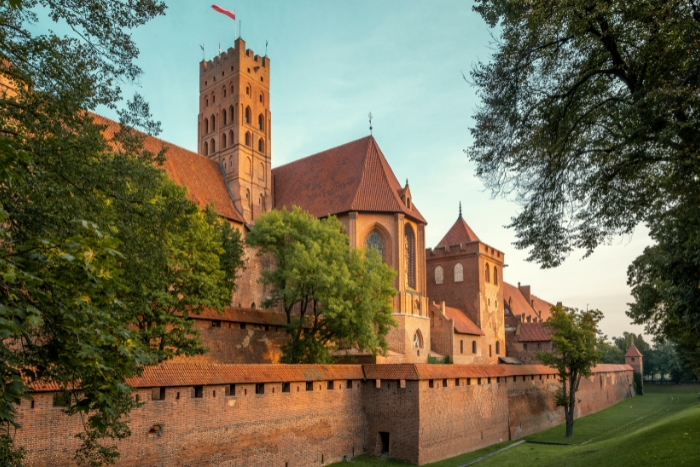
#4 Visit the Malbork Castle
Malbork Castle is a masterpiece of medieval architecture and a UNESCO World Heritage Site that offers visitors a journey back in time. Constructed in the 13th century by the Teutonic Knights, the castle is the largest brick fortress in the world and one of Poland’s most impressive historic landmarks.
Spanning a vast area, the castle is divided into three sections: the High, Middle, and Low Castles. Each area features stunning Gothic architecture, with vaulted ceilings, decorative brickwork, and towering walls. Guided tours bring the history of the castle to life, sharing tales of knightly orders, strategic battles, and the political intrigues of medieval Europe.
The castle’s museum houses a remarkable collection of artifacts, including medieval weaponry, intricate amber jewelry, and historical documents. Temporary exhibitions and cultural events, such as medieval reenactments and night tours, add to the immersive experience. After your visit, enjoy a meal at one of the nearby restaurants, where you can try regional dishes inspired by the era.
#5 Participate in a Pierogi-Making Workshop
Pierogi, Poland’s beloved dumplings, are more than just a dish—they’re a symbol of the country’s culinary heritage. Participating in a pierogi-making workshop offers an opportunity to learn the techniques and traditions behind this iconic food.
Workshops are typically held in cozy kitchens or historic settings, where expert instructors guide participants through the process of mixing, rolling, and shaping the dough. Fillings range from classic potato and cheese to sauerkraut and mushrooms, or even sweet varieties with fruits like cherries or blueberries.
As you craft your pierogi, you’ll hear stories about their cultural significance and regional variations. Once the dumplings are cooked, the workshop concludes with a tasting session where participants can savor their creations alongside Polish soups, salads, and traditional beverages.
#6 Discover the Kashubian Region
The Kashubian region, known as the “Land of the Blue Eyes,” is a cultural gem in northern Poland. This area is famous for its unique language, which is recognized as a regional dialect, as well as its vibrant folklore and intricate crafts.
Visit the Kashubian Museum in Kartuzy, where exhibits showcase the region’s traditions, including its richly patterned embroidery, pottery, and wood carvings. The museum also highlights the Kashubian language, with opportunities to learn a few phrases and songs.
Nature enthusiasts will enjoy exploring Kashubia’s rolling hills, crystal-clear lakes, and dense forests. 🌳 Activities such as boating, cycling, and hiking offer ways to appreciate the region’s tranquil landscapes. Be sure to sample local specialties, including smoked fish, czernina (duck blood soup), and ruchanki, sweet fried pancakes served with fruit preserves.
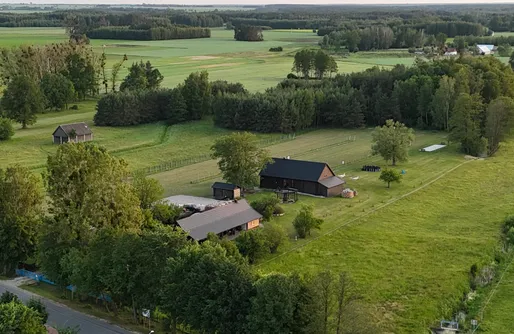
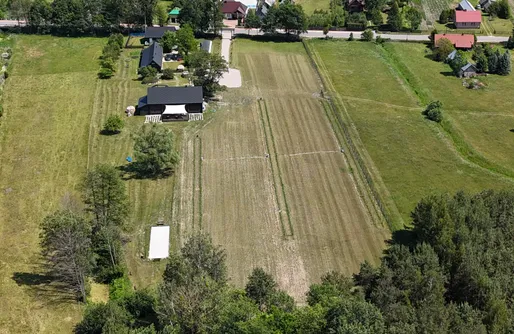
Find unique accommodation in Poland 💚
Polish Culture – Useful Information
Poland’s climate varies by season, so it’s important to plan according to the type of activities you want to do. Winter (December to February) can be cold with temperatures often below freezing, making it ideal for skiing and snowboarding in places like Zakopane. Spring (March to May) offers mild weather, averaging 10-15°C, perfect for sightseeing and outdoor festivals. ☀️
Summer (June to August) brings warm temperatures, reaching up to 25°C. It is the peak season for outdoor activities, concerts, and beach trips along the Baltic coast, though expect more crowds. Autumn (September to November) is a quieter time with cooler temperatures between 10-20°C. With its stunning fall foliage, it’s ideal for Nature lovers seeking peace.
Poland’s major cities are well-connected by international flights, with Warsaw, Kraków, Gdańsk, and Wrocław offering direct and connecting options. The country’s train network is efficient and modern. It makes it a great way to travel between cities or to scenic rural destinations like the Tatra Mountains. Buses are another affordable option, with widespread connections to both cities and smaller towns.
Polish cuisine is hearty and delicious, with dishes like pierogi, bigos, and oscypek being local favorites. While Polish is the official language, many people in tourist areas speak English, so getting by isn’t difficult. Poland is generally safe, with good healthcare services available, but like any country, it’s wise to stay alert in crowded areas. Lastly, having some local currency on hand is useful, though credit cards are widely accepted.
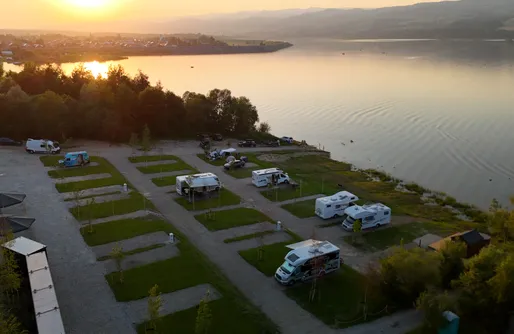
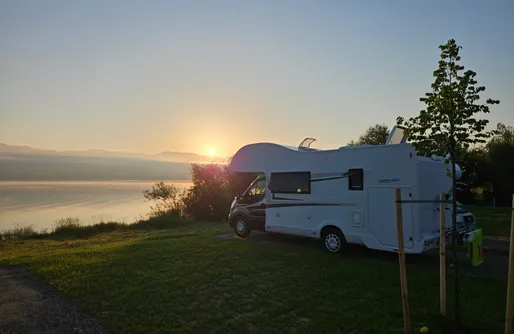
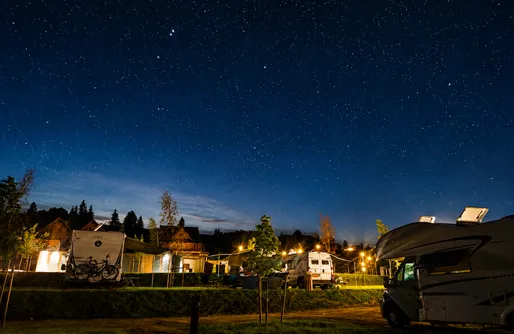
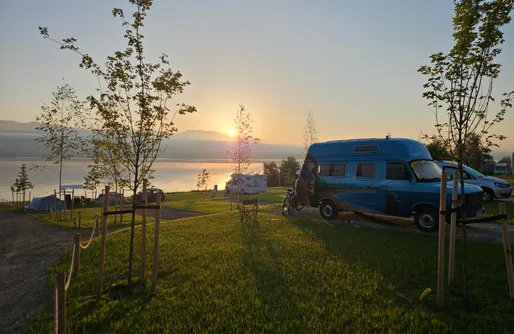
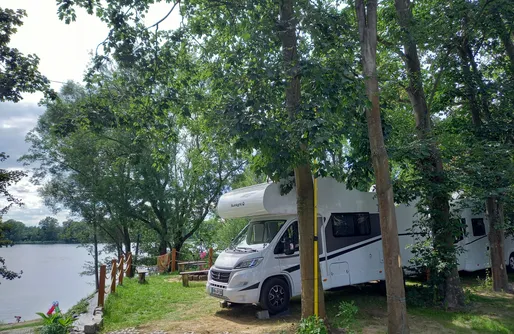
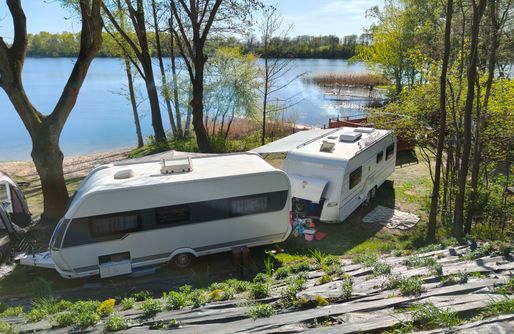
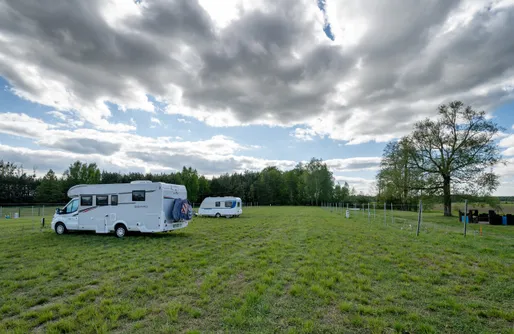
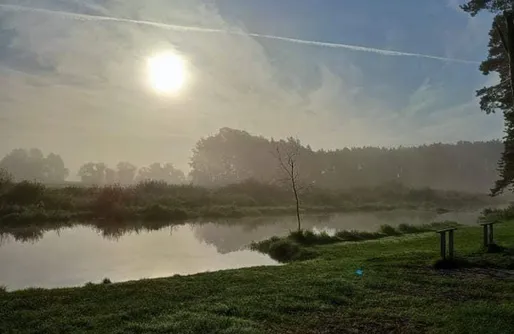
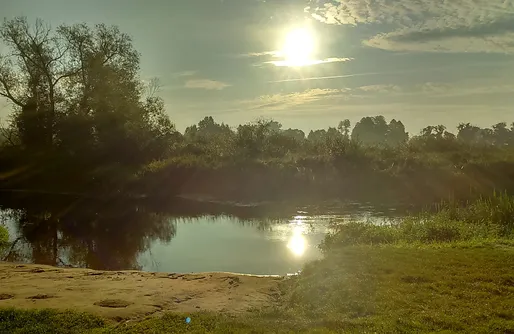
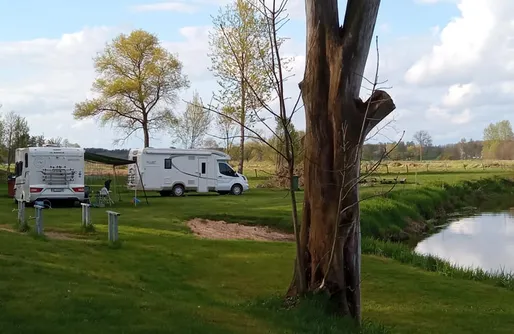
Discover intimate campings in Poland 💛
Polish Culture: Questions and Answers
Polish culture is a rich blend of Slavic traditions, Christian influences, and modern innovations. The country’s history has shaped a unique cultural identity, with deeply rooted customs that are evident in everyday life, festivals, and art. Contemporary influences in music, literature, and technology show how Polish culture continues to evolve while respecting its historical foundations.
In the winter, expect cold temperatures and snow, so bring warm layers, thermal wear, a sturdy winter coat, gloves, and waterproof footwear. During the warmer months, lightweight clothing with a jacket for cooler evenings is ideal, along with comfortable shoes for exploring. Always carry a reusable water bottle to stay hydrated and reduce plastic waste. If you’re visiting rural areas or natural parks, don’t forget essentials like a good pair of hiking boots and insect repellent
The primary language spoken in Poland is Polish, which is a Slavic language with its own alphabet and grammar structure. While Polish is the official language, many people speak English at a conversational level. Younger generations and those in the hospitality industry are particularly likely to understand English. It makes navigating cities or asking for directions easier for travelers. Additionally, some people may also speak German or Russian.