Description
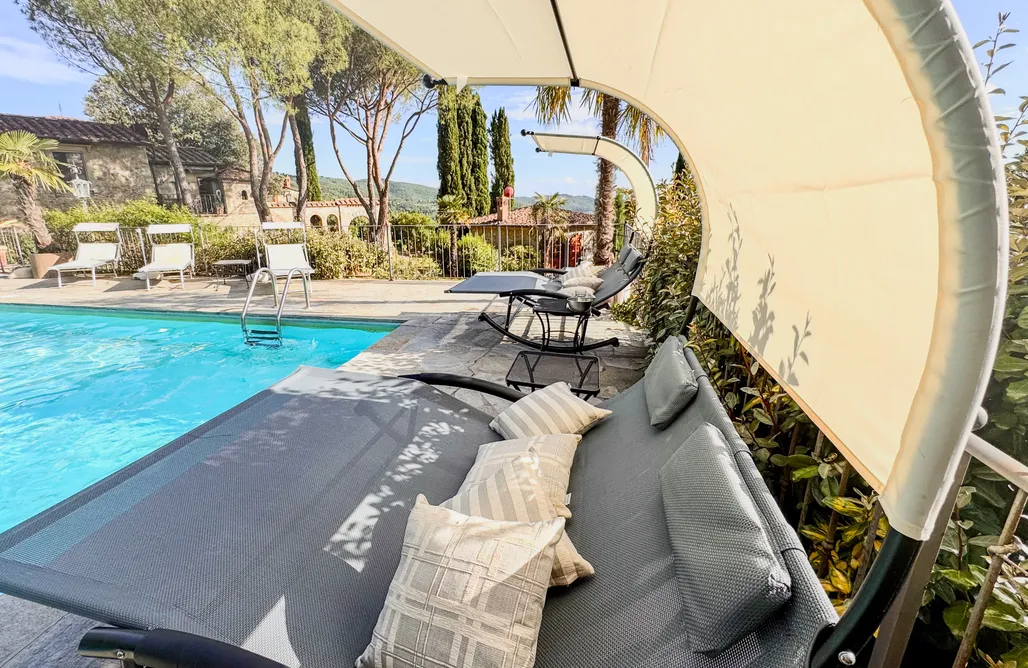
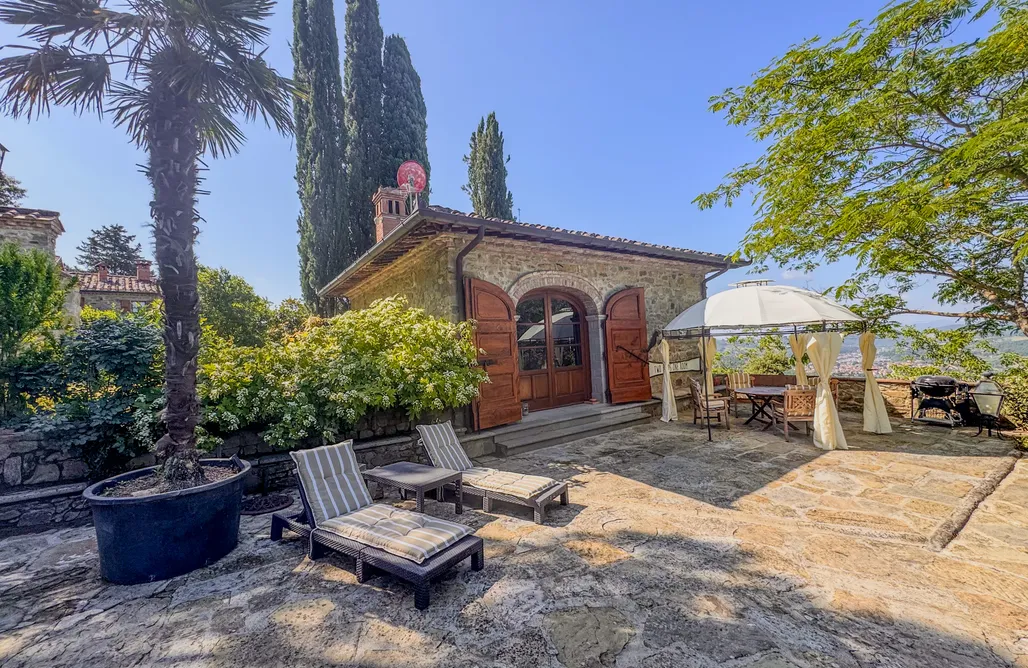
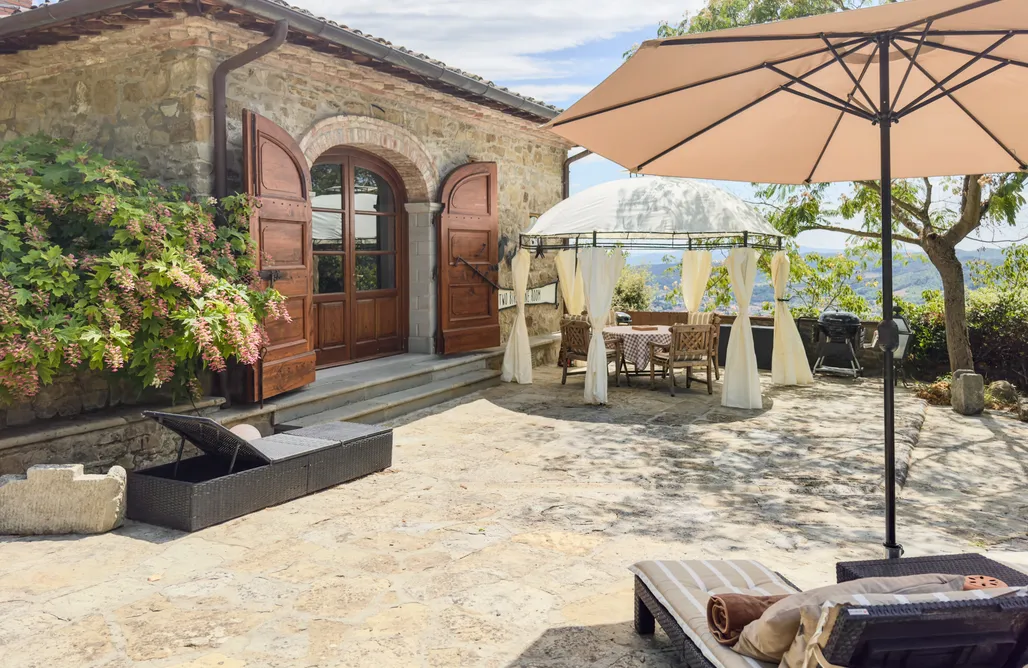
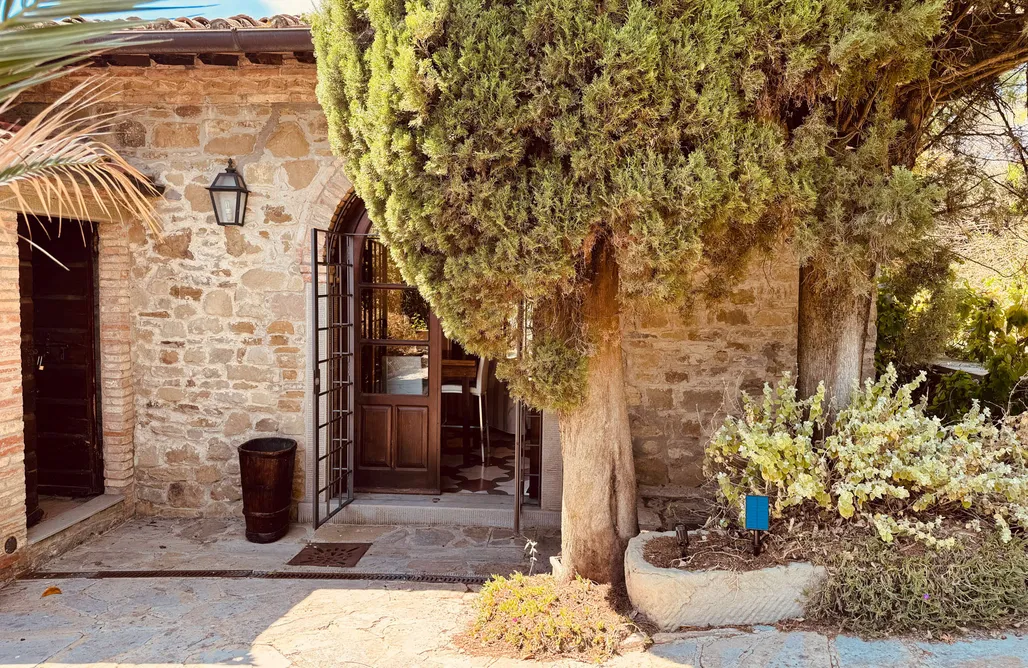
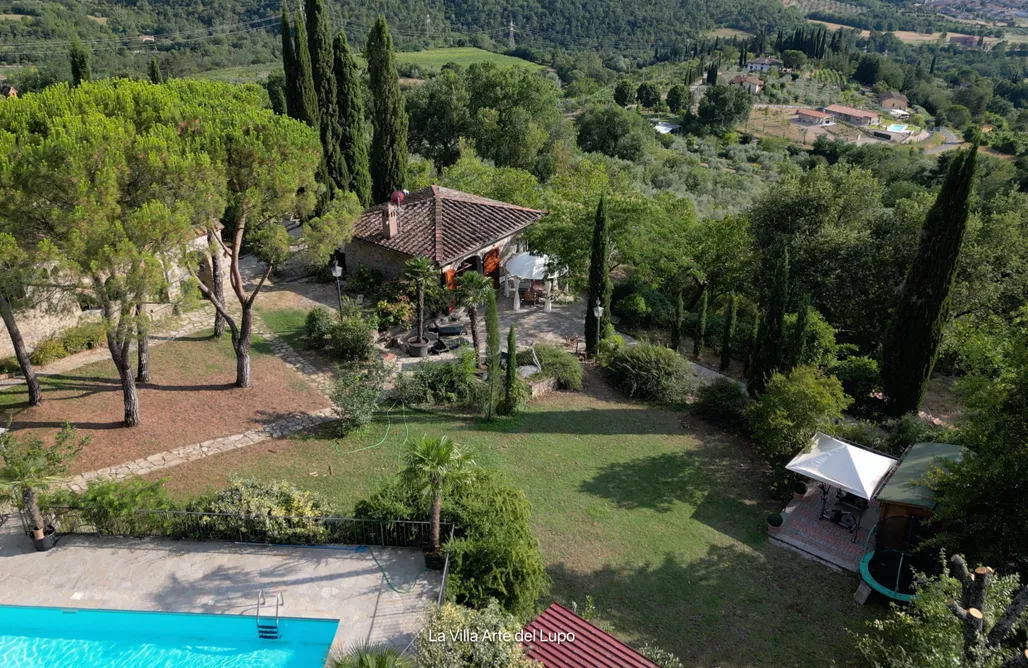
Willkommen in unserem verborgenen Juwel in der Toskana! Unser wunderschöner Rückzugsort bietet die perfekte Kombination aus Kunst und Entspannung unter einem Dach. Kommt und entspannt euch in unserer friedlichen Oase und lasst eure Seele baumeln. Die Villa besitzt vier verschmuste Golden Retriever und zwei kleine MaineCoon Kater , die einen durch ihre sanfte Art den Alltag vergessen lassen.4000qm Garten mit Pool in traumhafter Panoramalage. Subbiano liegt in der Mitte der wichtigsten Sehenswürdigkeiten und eignet sich damit perfekt für Tagesausflüge vieler berühmter Städte, wie z.b Florenz, Siena, Pisa,Volterra, Montepulciano, Perugia, Trasimenosee, Castiglione del Lago, Citta di Castello.Fahren sie in das berühmte Val di Chiana.Besuchen sie La Villa mit Ihren Köstlichkeiten.All diese Traumziele sind zwischen 15min bis 1,5Std erreichbar. Jeder, der einen Traum hat, sollte nach Italien gehen. Es spielt keine Rolle, ob Sie denken, der Traum sei tot und begraben, in Italien wird er auferstehen und wahr werden (Elizabeth Spencer) The Villa del ARTE del Lupo – Not just a place to stay… FROM WAYNE ANTHONY – 08–2024 Nestled atop the rolling hills of Tuscany, the Villa del ARTE del Lupo offers not only a relaxing place to stay, but a place where history, art, and mysticism converge in a glimpse of Italy’s historic past. The property has served various purposes over its long life: a rest stop for travelers, a religious retreat, an extensive family home, and now a place for guests to experience the beauty of Tuscany. While enjoying a relaxing stay, however, guests should make time to explore the unique grounds, which, with open eyes, give the keen observer a chance to explore a slice of the unique two-thousand-year history of the Italian countryside. For the curious, consider a simple stroll around the property. Terraces carefully cut into the land provide level areas for agriculture. Massive fig trees and orchards once offered fruit in their season. Cisterns, now dry, attest to hidden Roman engineering. Traces of ancient lanes lead to hidden groves, pavilions, and bowers, lost to the mysteries of time. In fact, the approach to the Villa is one of the primary roads of ancient Rome, the Via Romea Germanica. Around 1236 AD, this way transformed into a religious pilgrimage route linking Stade, Germany in the north to the Vatican at Rome in the south. This historic road passes directly in front of the main Villa, bisecting the land. Today, it is marked with two historical markers citing the mileage to either terminus. Approaching the Villa from the south on this road and traveling up the hill, the land is lined with several vineyards, fruit groves, and farms which originally provided food for the estate above. Aging outbuildings still remain, gently slipping away, a testament to the effects of time. Small access lanes, now wildly overgrown, wind away and lead to places long forgotten. As the house nears, on the left a storage area, erected by a former owner, boasts stacked remains of historic stonework rescued from the surrounding countryside. Upon arrival at the Villa, four unique markers clearly delineate the beginning of the main compound. The first of these sits to the right of the road, a large, arch-shaped stone. Protruding from its flat face, a carved relief of an unknown pagan deity stands sentinel. Its features have been brutally defaced, possibly in the Middle Ages, when the site was transformed from a pagan wayside to a Christian nunnery, but its placement is clear. Even the early Romans sought the gods’ protection of their land. On the left, across from the stone marker, sits the corner wall of the main entrance. Herein is set a definitive reminder of the Christian conversion. An icon of Michael the Archangel defeating the Dragon of Evil (Revelation 12:7 in the Bible) proclaims a notice of divine protection—no evil dare enter this sacred site. In his hands, Michael wields a sword of victory and holds the scales of justice weighing the hearts of all. His foot crushes the head of the defeated dragon. Before the shrine is placed a kneeling plinth for prayer. To the right, a candle nook offers light to the way of the pilgrims. Within the nook is the seal of the Grand Master of the Knight’s Templar, showing their approval and use of the land as a safe haven for pilgrims. A Templar Knight with shield rides his steed; circling is the Templar motto: Cristi sigillum militum (Seal of the Soldiers of Christ). Above, inscribed in the plaster work, are the words “Io credo” (I believe). To the right of this sits an ambiguous symbol—a circle with four petals, possibly a Greek Chi (the symbol of Christ) or a marker of the four Gospels (Matthew, Mark, Luke, and John). Continuing down the wall to the left of the icon is another pair of markers. First, a half-circle niche which most likely held a statue of a local pagan god is now bricked over. Then, a fresco triumvirate of three women bathing naked in a spring, possibly water nymphs, is beside it. In the far background of the fresco, a depiction of the Villa can be seen. This enigmatic artwork stands in direct opposition to its Christian neighbors—that is until entering the property through the passage just beside. Behind, not fifty feet from the image, is a well: a sacred spring. The fresco is a beacon for travelers on the road that there is water for the thirsty and weary available. This wellspring is likely an outlet of another amazing feature of this property: through a variety of hidden underground waterways, the entire complex is fed water directly from a hidden lake further up the hill. Finally, moving another twenty feet further down the entrance wall is a final historical feature. Built into the wall are the durchreiche, or “pass-throughs.” These two large, brick-lined circular openings date from the time the property housed a cloistered nunnery. They allowed the surrounding community to bring supplies to the Order and pass these through to those cloistered and secluded within. From this point, returning to the Via Romana, the property unfolds. A tall stone wall lines the road to the right. This creates a terrace on the hill above upon which sit the various buildings of the main property. This wall opens to a car park beyond which and below lies a terraced planting area which most likely served as a kitchen garden for the medieval nunnery. Above this terrace, across the Roman road, is an area which formed a meditation garden (not accessible as a part of the current property). The rest of the complex consists of a sprawling number of buildings which have been adapted and adorned by the work of the last previous owner. The grounds sport stoneware salvaged from the surrounding countryside. Animals, water basins, and reclaimed building materials are artistically incorporated everywhere and are worth a careful examination. Cast a glance upward as well, as the stonework is even incorporated into the chimneys and roof features. Finally, the four corners of the main house’s eave are adorned with metal lilies, the symbol of Easter—resurrection, hope, rebirth, and blessing. This seems a curious addition until entering the house’s kitchen. Just inside, a nook houses a painted icon of Mary holding Jesus. She keeps watch over all who enter, and in his hands, the Christ Child holds a sprig of lilies, clearly the symbol of His blessing and favor upon the house and all who enter.